
Tsodilo Hills
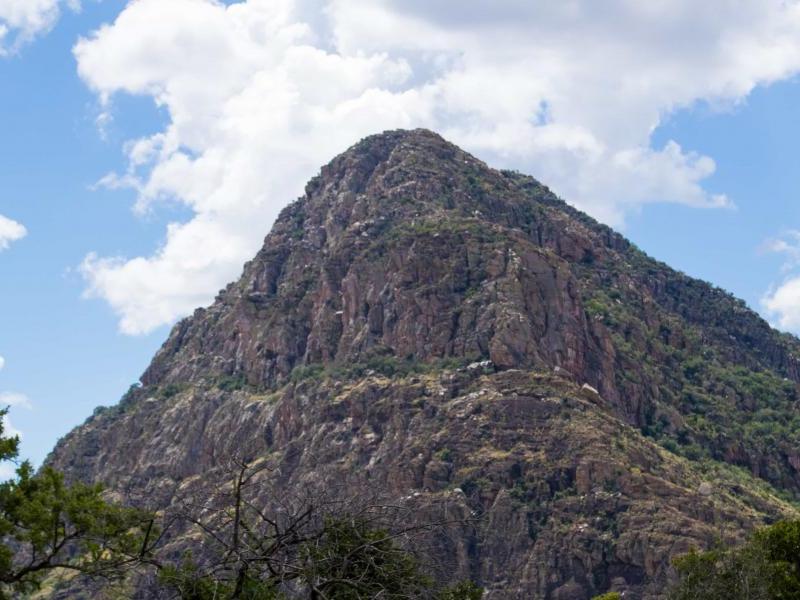

Tsodilo Hills, a UNESCO World Heritage Site located in northwestern Botswana, is one of the most significant cultural and historical landmarks in Africa. Known as the “Louvre of the Desert,” the site is famous for its over 4,500 ancient rock paintings, some dating back more than 20,000 years. These paintings provide a window into the spiritual and daily lives of early hunter-gatherer communities, particularly the San people, who consider Tsodilo Hills a sacred place.
The site consists of four prominent hills—Male, Female, Child, and an unnamed fourth hill—each holding deep spiritual significance in local folklore. According to tradition, the Female Hill is the most sacred, representing life and fertility, while the Male Hill symbolizes strength. The hills are believed to be the resting place of the first ancestors, and many San communities still perform rituals there today.
Tsodilo Hills is not only a cultural and religious site but also an important archaeological treasure. Excavations have revealed artifacts, tools, and evidence of human habitation spanning more than 100,000 years, making it one of the oldest continuously inhabited places in the world.
With its breathtaking landscapes, rich history, and spiritual significance, Tsodilo Hills attracts researchers, historians, and travelers seeking to connect with Botswana’s deep-rooted past. The site remains a symbol of African heritage and the resilience of indigenous cultures.
Physical Address: Tsodilo Hills. Tsodilo Hills. North-West District. Botswana.
Tel: 267 686-1056.